
Maternity beauty tips: How can I feel beautiful during my pregnancy?
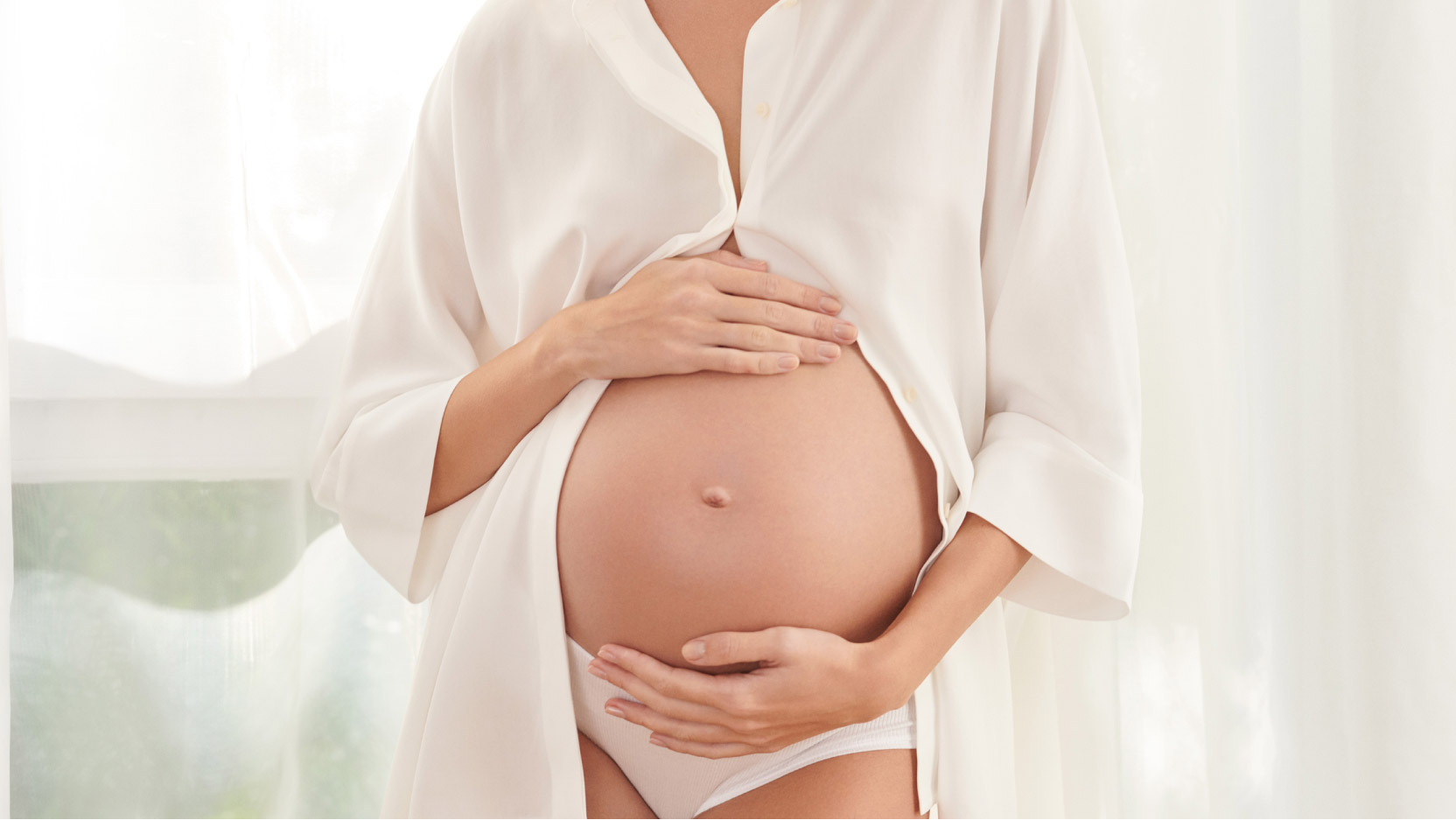
Skincare products suitable for pregnant women
What skincare products to avoid during pregnancy
There are certain ingredients that are generally advised against during pregnancy to be on the safe side, as they may pose a risk to the baby. These include:
• Retinoids/Vitamin A Derivatives: Avoid both prescription and over-the-counter products containing retinoids.
• High-Dose Salicylic Acid: While low-dose topical applications are often considered safe, high-dose products, such as peels, should be avoided.
• Some experts also advise avoiding parabens, phthalates, and certain essential oils (like rosemary, basil, jasmine, and sage). Please check for advice from the doctor for further details.
Pregnancy-friendly skincare products that include
What is a pregnancy-safe skin care routine?
The basic pregnancy skin care routine should include three steps: cleanse, moisturise, and protect.
- Cleanse gently: Cleanse your skin up to twice daily and after sweating. Use a gentle, non-stripping cleanser like
Velvet Cleansing Milk to softly cleanse and supple the skin. - Intense hydration: Use a
face moisturiser that is suitable for your skin type. Hydrating ingredients like hyaluronic acid, ceramides, and glycerin are generally considered safe and beneficial for dry or irritated skin. Try theHydra-Essentiel [HA²] Silky Cream , which is enriched with hyaluronic acid and organic leaf of life extract, intensely hydrates and plumps the skin. - Protect from the Sun (SPF): Your skin is more sensitive to sun exposure during pregnancy, which can cause dark spots. Apply a broad-spectrum, water-resistant
sunscreen with an SPF of at least 30.
How can I avoid stretch marks during pregnancy?
When do stretch marks appear during pregnancy?
Pregnancy pushes your body – and especially your skin – to its limits. That’s why stretch marks often go hand in hand with pregnancy, as your body expands to accommodate a beautiful new life.
There’s no exact science as to when stretch marks will appear during your pregnancy, but most likely, you’ll start to notice them cropping up around the end of the second trimester, in line with when your baby bump begins to form. However, note that it’s not unusual for them to appear sooner, and every woman’s experience will be slightly different.
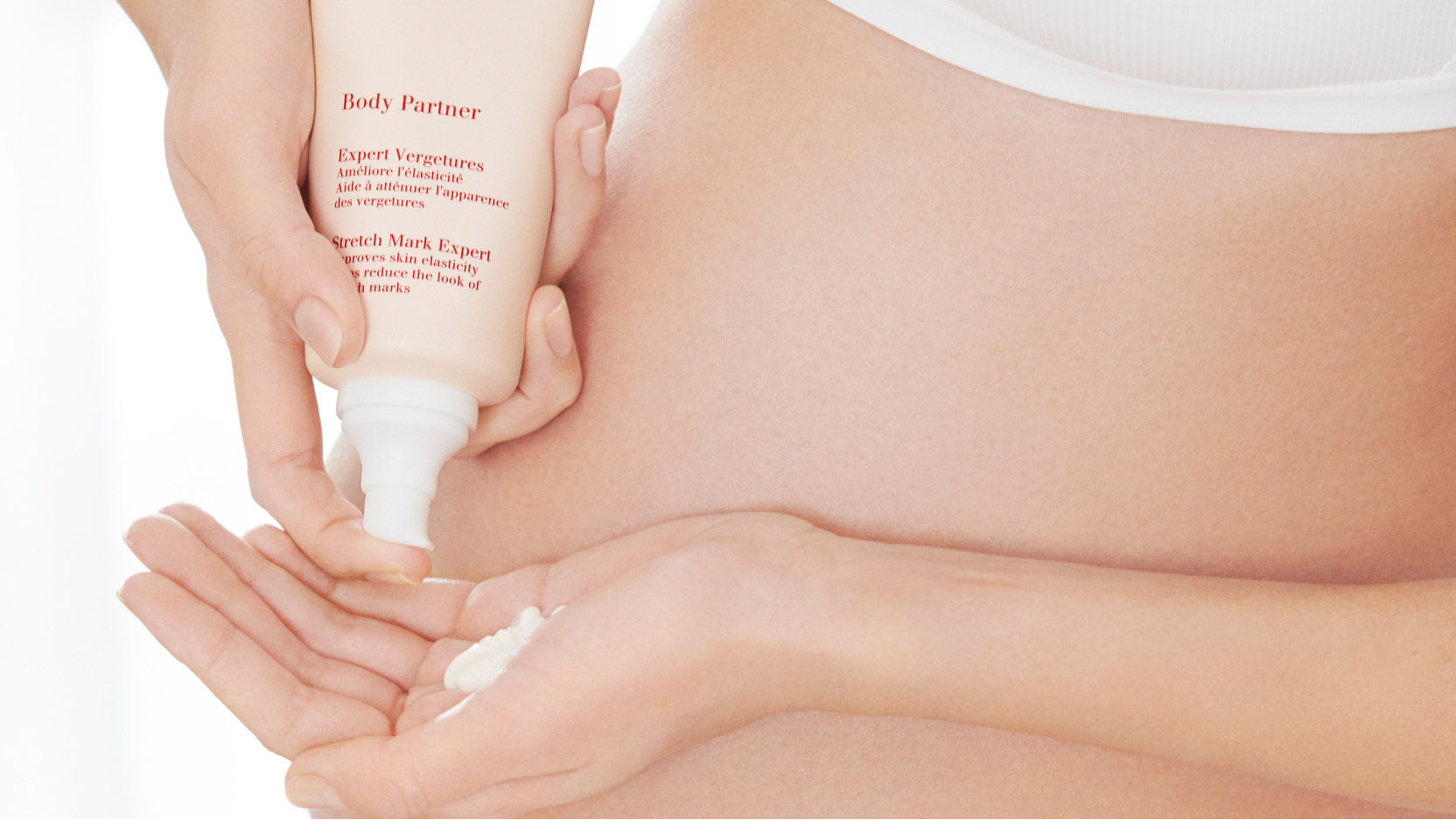
Ways to avoid stretch marks during pregnancy
While you can’t prevent stretch marks from forming, regularly soothing and nourishing your bump with a pregnancy cream is the best way to help reduce their appearance.
• Moisturising and massaging:
Because the keys to limiting stretch marks during pregnancy are hydration and maintaining your skin’s elasticity, we also recommend using
• Eat well:
Alongside your prenatal vitamins, eat a variety of vitamin C-rich foods, such as citrus fruits, tomatoes, peppers, and broccoli. Vitamin C is an antioxidant that helps repair skin damage, plus it promotes collagen production, which keeps skin strong and elastic. Foods rich in zinc, like fish and nuts, will also help keep your skin in great condition.
• Hydrate:
We all know we should drink more water, and it’s an essential part of keeping skin soft, supple, hydrated and healthy.
• Steady weight gain:
To counteract the effects of rapid weight gain, try to gain your pregnancy weight slowly. Then, the skin won’t be stretched so quickly, and the risk of marks is minimised. However, this is often easier said than done, and as your body changes, remember to be kind to yourself.
When to start using stretch mark cream during pregnancy?
As soon as possible is our recommendation, even in your first trimester. This is because stretch marks result from skin stretching, and early hydration helps maintain its elasticity.
How to exfoliate safely during pregnancy?
Exfoliation prenatal is recommended to promote cell renewal and keep your skin supple. If you do use a
Choose a body scrub that is moisturising, not too harsh on the skin and without too many active ingredients. Our
How do I avoid tired legs during pregnancy?
Tired legs in pregnancy can be experienced due to the changes in your body, like hormonal changes. Poor blood circulation can often lead to a feeling of heaviness or swelling in the legs.
Any tips for pigmentation changes during pregnancy?
If you’re wondering how to prevent pigmentation during pregnancy, the best answer would be – wear
Try to avoid UV exposure between 12pm and 4pm when the sun is at its highest point in the sky. If you are outside during this time, opt for a wide-brim hat or stay in the shade.

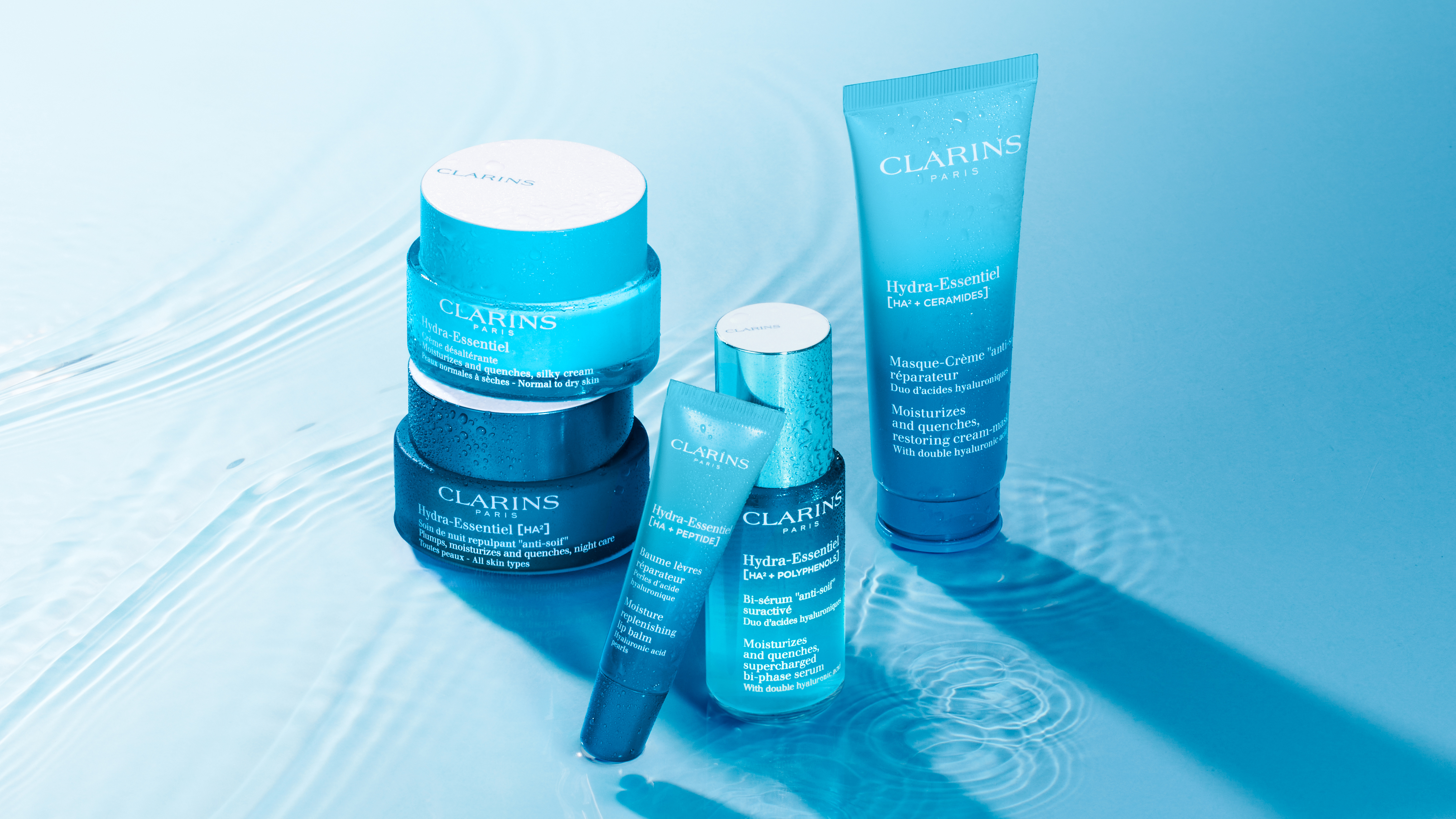
The following is a great example of a deeply hydrating routine:
• After cleansing in the morning and at night, gently pat and massage in the
• Depending on your skin type, follow up with the
• In the AM, always finish with an
A change in hormone production can severely affect the hydration levels of a pregnant woman's skin, so it is important to treat this in order to minimise discomfort during this time.
As for glow, well, when you feel radiant and beautiful, you glow from the inside out. Having a positive, loving outlook on life has enormous benefits for both yourself and your baby, so make sure you find time to pamper yourself regularly.

